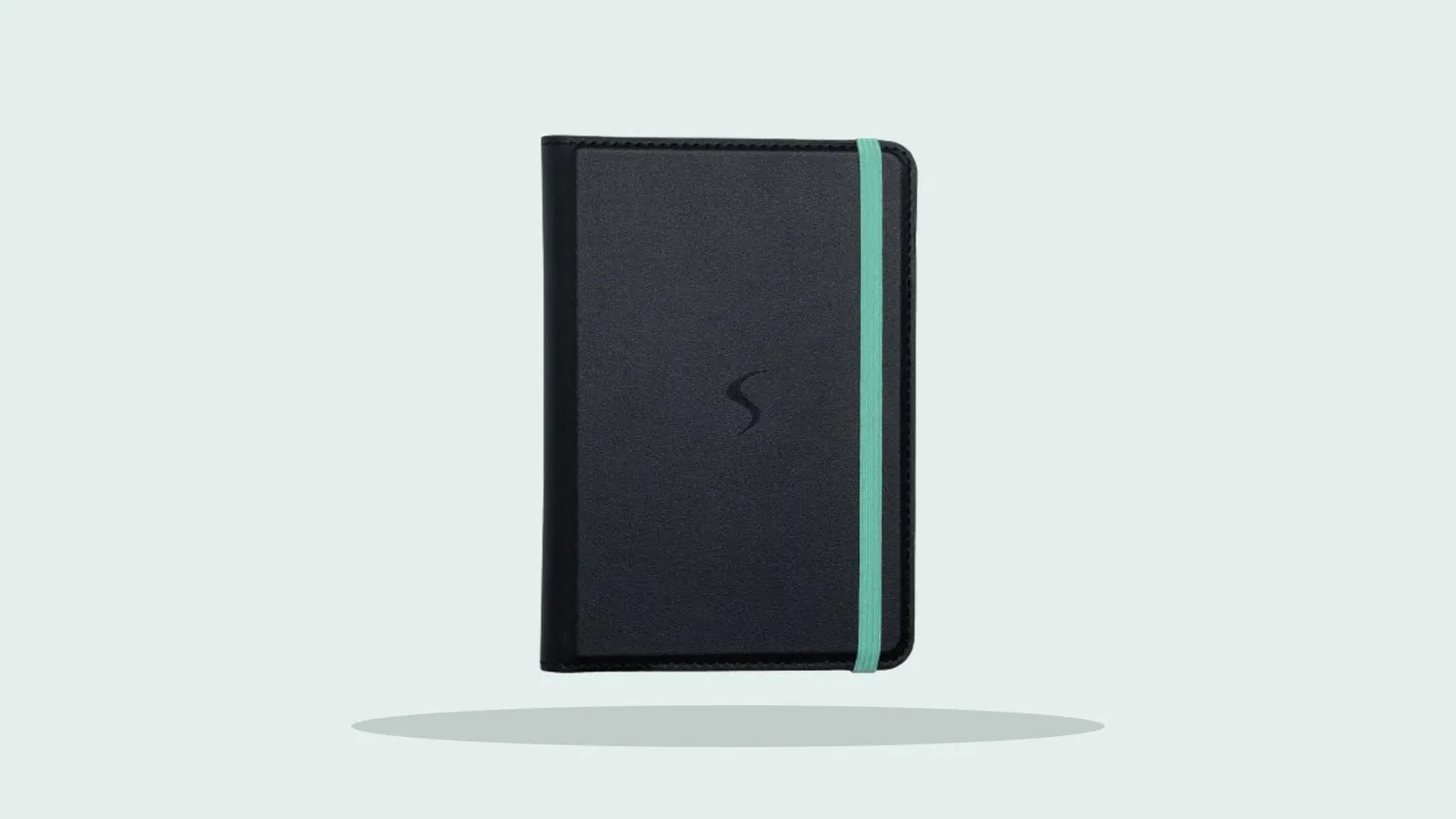
Scapade sells travel accessories — among them the AirPass, a passport wallet you can find again with Apple Find My. The shop runs on Shopify, with a separate landing page alongside it.
Where the work actually was
Not in the theme. On a store this size, building the shop is rarely the hard part — the hard part is everything it has to fit alongside.
Scapade works with several suppliers on the shop. Division Software is a Shopify partner and coordinated with all of those parties and delivered the integrations, so the client did not have to mediate between vendors about who was shipping which half of an interface.
That is the part of a web shop project that rarely appears on a quote and almost always takes the most time.
What the client says
“Division Software is a Shopify partner. We work with several partners on our web shop, and they were able to coordinate with all of them and handle the integrations. We are really very satisfied.”
— Scapade
Shopify or custom?
For a shop with a manageable catalogue and standard payment and shipping flows, Shopify is usually the sensible choice: you pay for a platform that is already finished, and the time goes into the store rather than the infrastructure. Custom only becomes interesting once your process diverges from what the platform assumes.
Caught between the two? I will say plainly when an off-the-shelf platform is enough — read what a web shop costs first, or ask for a quote.